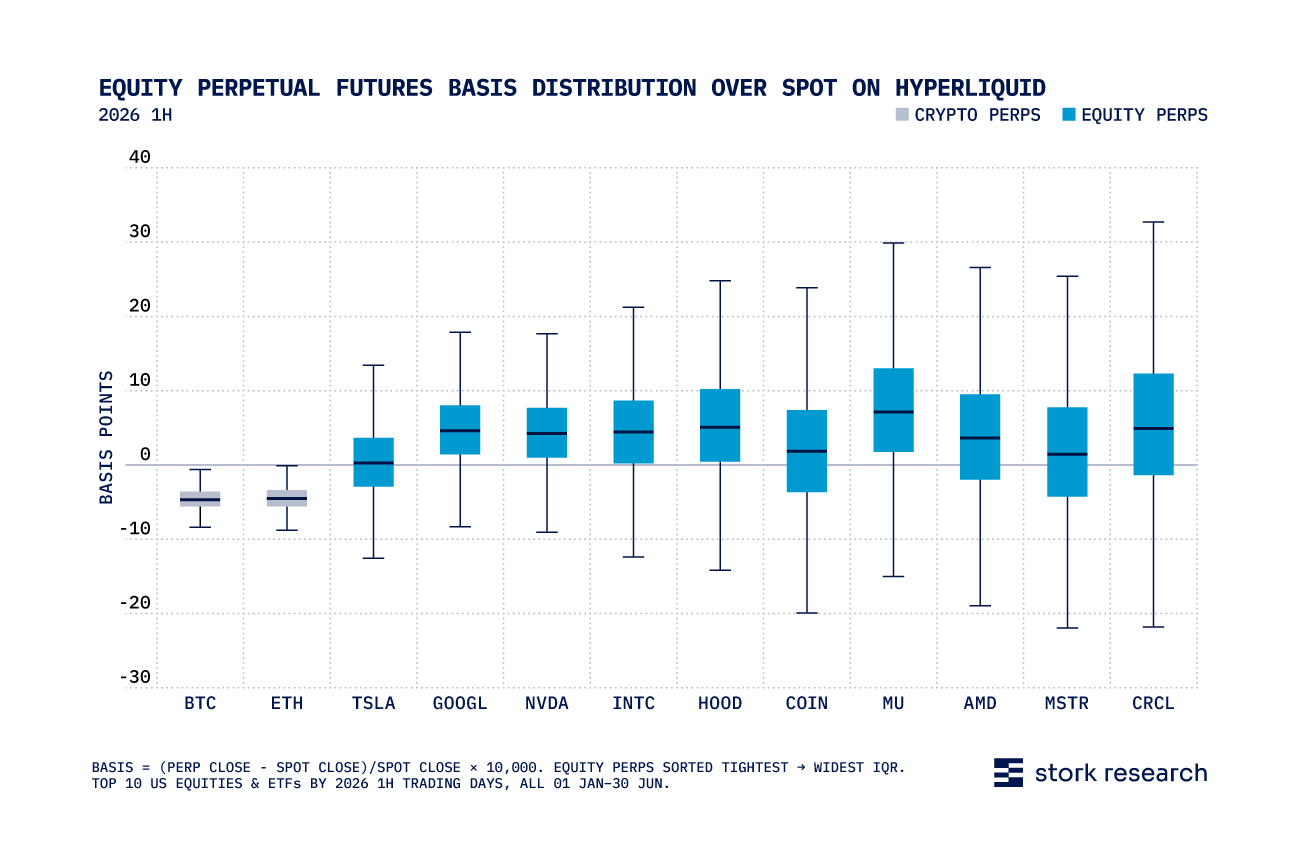
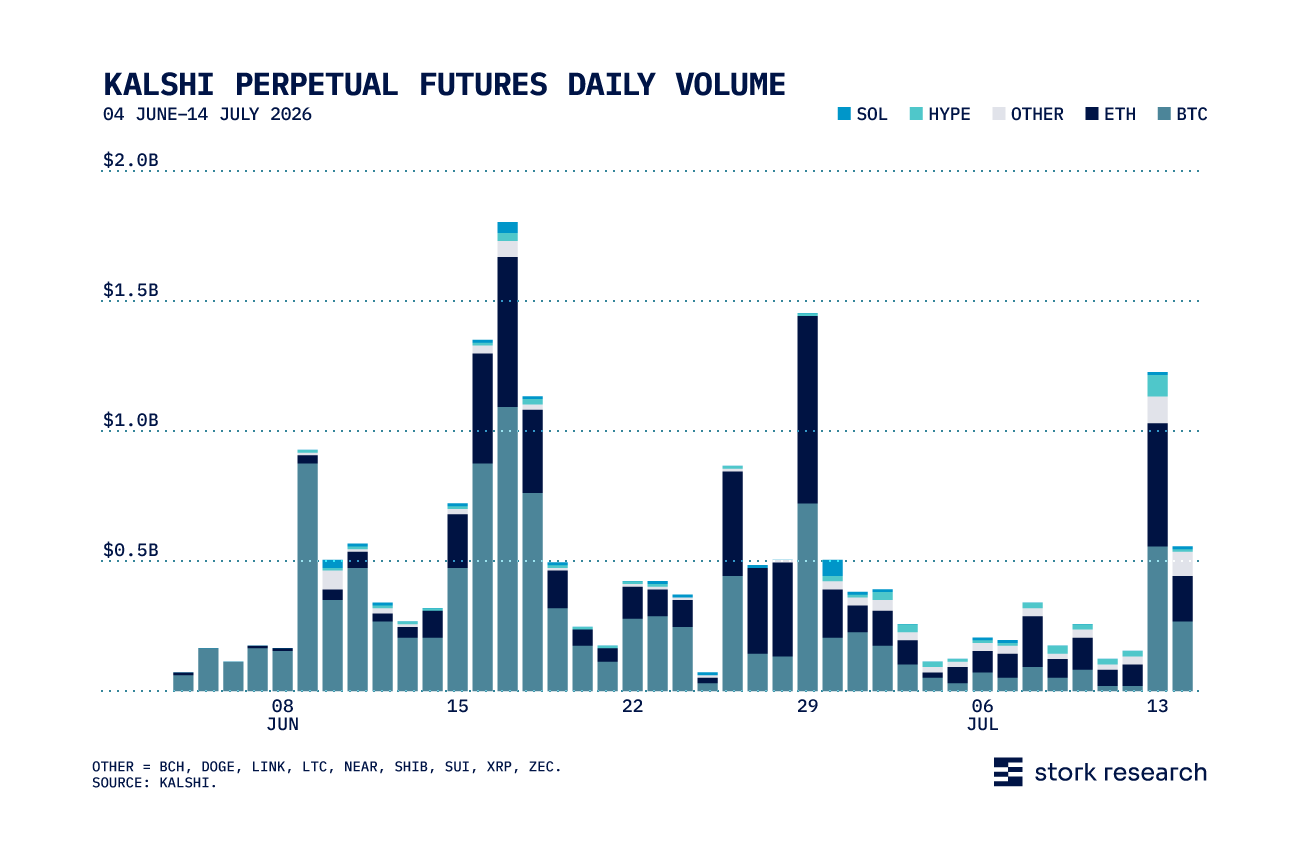
The convergence signal reverberating across Wall Street, Washington, and the digital assets industry has become impossible to ignore. This month alone: the SEC issued an innovation exemption for tokenized stock trading venues, and Uniswap was ready with a compliant offering; S&P Global announced the acquisition of OpenZeppelin, a top smart contract audit & development shop; and the parent company of Kraken announced it is building a compliant path for US investors to trade perps on Hyperliquid.
Stocks and bonds are moving onchain; traditional venues are adapting to meet crypto traders’ habits and needs. Nowhere is this convergence more apparent than in the world of RWA perpetual futures.
Perpetual futures are a type of derivative contract that enables traders to speculate on the price of an asset without buying the underlying asset. Perps don’t have an expiration date. Traders can hold their positions indefinitely, as long as they maintain the required margin.
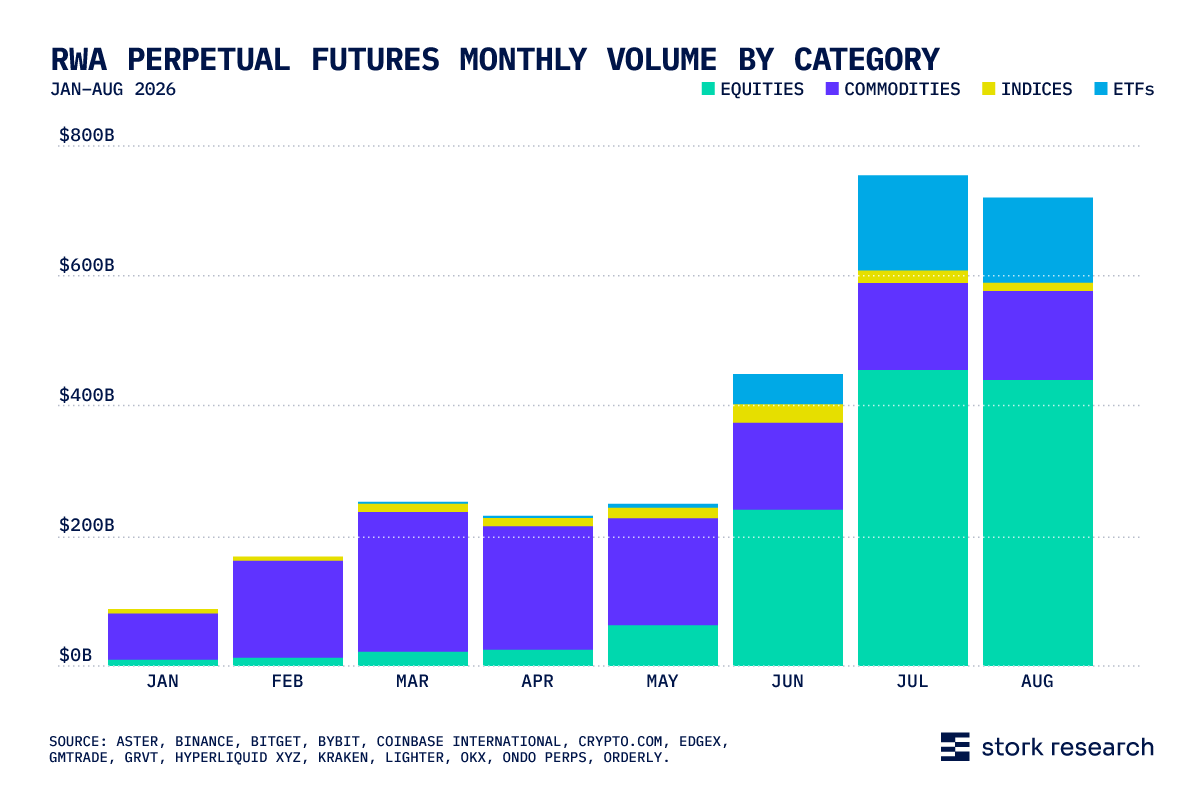
In 2025, perpetual futures (“perps”) grew faster than the digital assets markets as a whole, reaching $93 trillion in volume. In 2026, a new growth engine for the category emerged in the form of perpetual futures covering real-world assets (RWA perps). Tracking single-stock futures, commodities, ETFs, and indexes, these derivatives rapidly grew beyond $700 billion in monthly volume.
RWA perps offer 24/7 markets in these widely traded underlying references. The financial world watched as traders responded with profitable oil trades on weekend events in the Middle East, and the world shifted. NYSE is building out 24/7 stock trading capability. S&P Dow Jones licensed its benchmark S&P 500 index to Hyperliquid, the largest of the onchain RWA perps venues.
To date, US onshore volume in perps on digital assets like bitcoin and ether is minuscule. In RWA perps it’s nonexistent. People talk about the “lion’s share,” meaning the greater part of something. In perps, the market is closer to the true outcome in Aesop’s original tale of the lion, the fox, the jackal, and the wolf: the onchain and offshore venues get the whole thing.
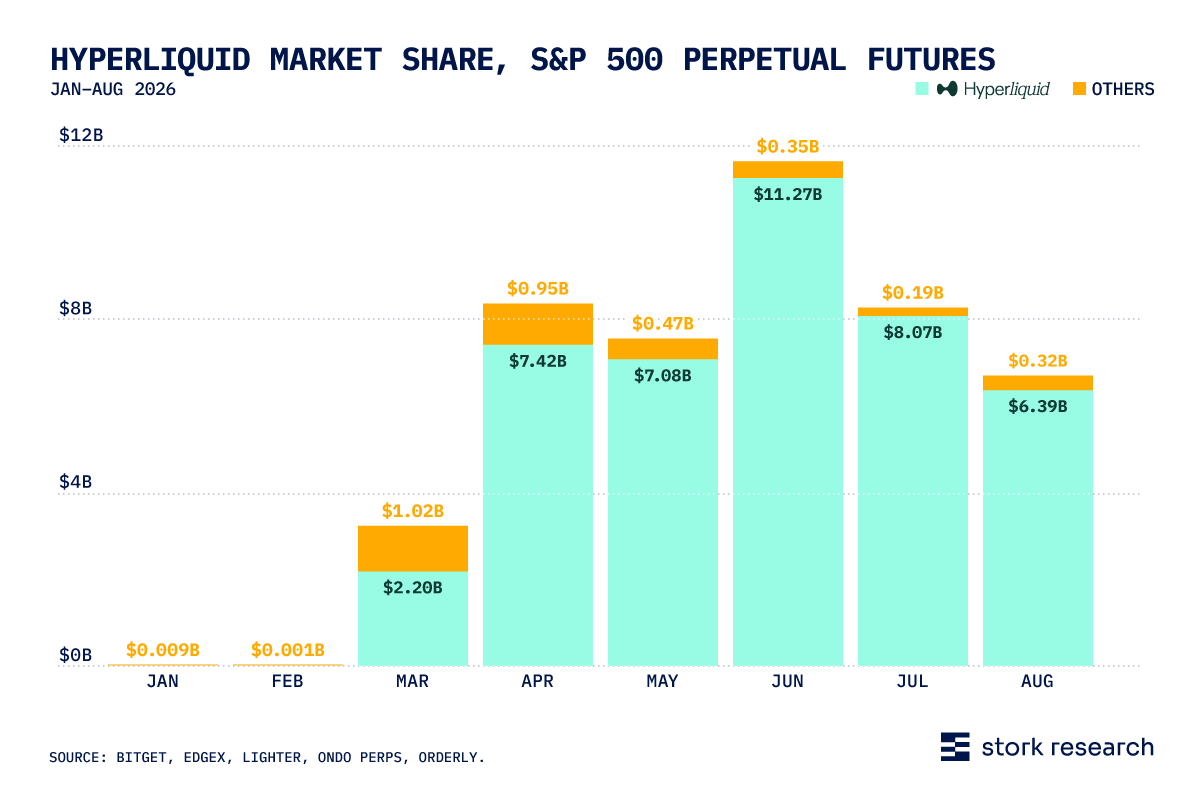
US financial institutions and crypto-native operators alike see an opportunity in onshoring these markets and integrating them into the regulated US financial system. Established firms keep pace with new demand and trading patterns. Crypto-native firms get Wall Street’s imprimatur. Both sides gain access to new pools of capital and new distribution channels. The growth of the S&P 500 index perp on Hyperliquid since its launch in March offers a hint at what the combination of traditional and digital infrastructure can deliver.
There’s a challenging stretch ahead for this onshoring of RWA perps, and it calls to mind a different Aesop fable, “The Rivers and the Sea”—in which the rivers complain that their sweet water turns salty when it flows to its outlet. The challenge is downstream entitlements, and it comes down to fundamentally different principles in how market data is handled in RWA perps versus traditional derivatives. This article explains the inherent conflict, and floats a handful of potential solutions.
Downstream entitlements are the rules, access permissions, and contractual usage rights that govern how financial data is distributed and utilized after it leaves a central data provider or primary ingestion layer.
In digital assets trading, open access to data is the default design choice. Crypto-native perp exchanges optimize for adoption and retail access, so they deliberately make the same market data open to everyone. Price updates are available via API and displayed in UIs with no login or subscription.
This is a problem for conventional data providers. Major financial exchanges not only provide liquid marketplaces, they also monetize the price discovery that occurs on those markets, in the form of data. Downstream users license that data in ways that limit how they may redistribute it. Can they control downstream entitlements while adopting the design choices that have helped drive growth onchain and offshore in products like RWA perps?
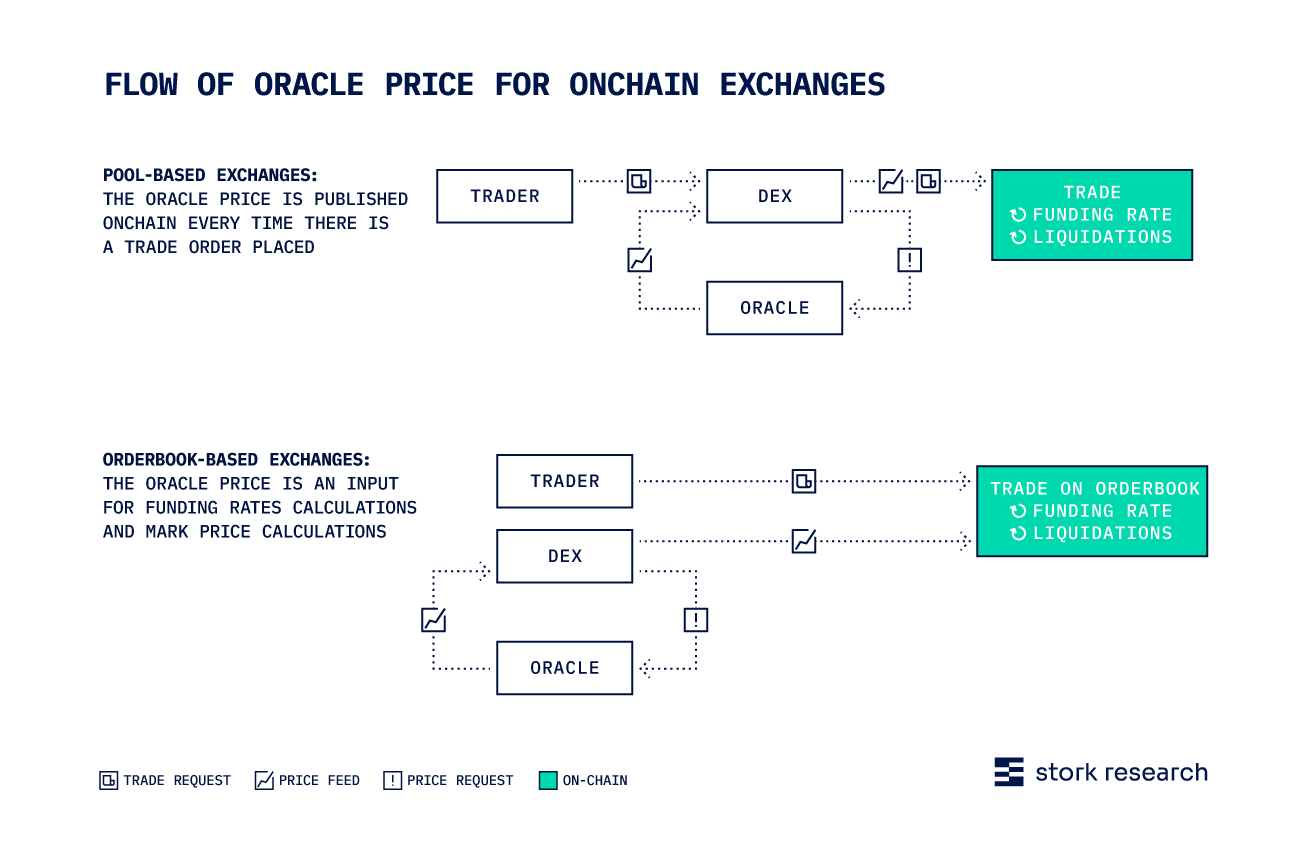
Perps venues consume and generate three kinds of data:
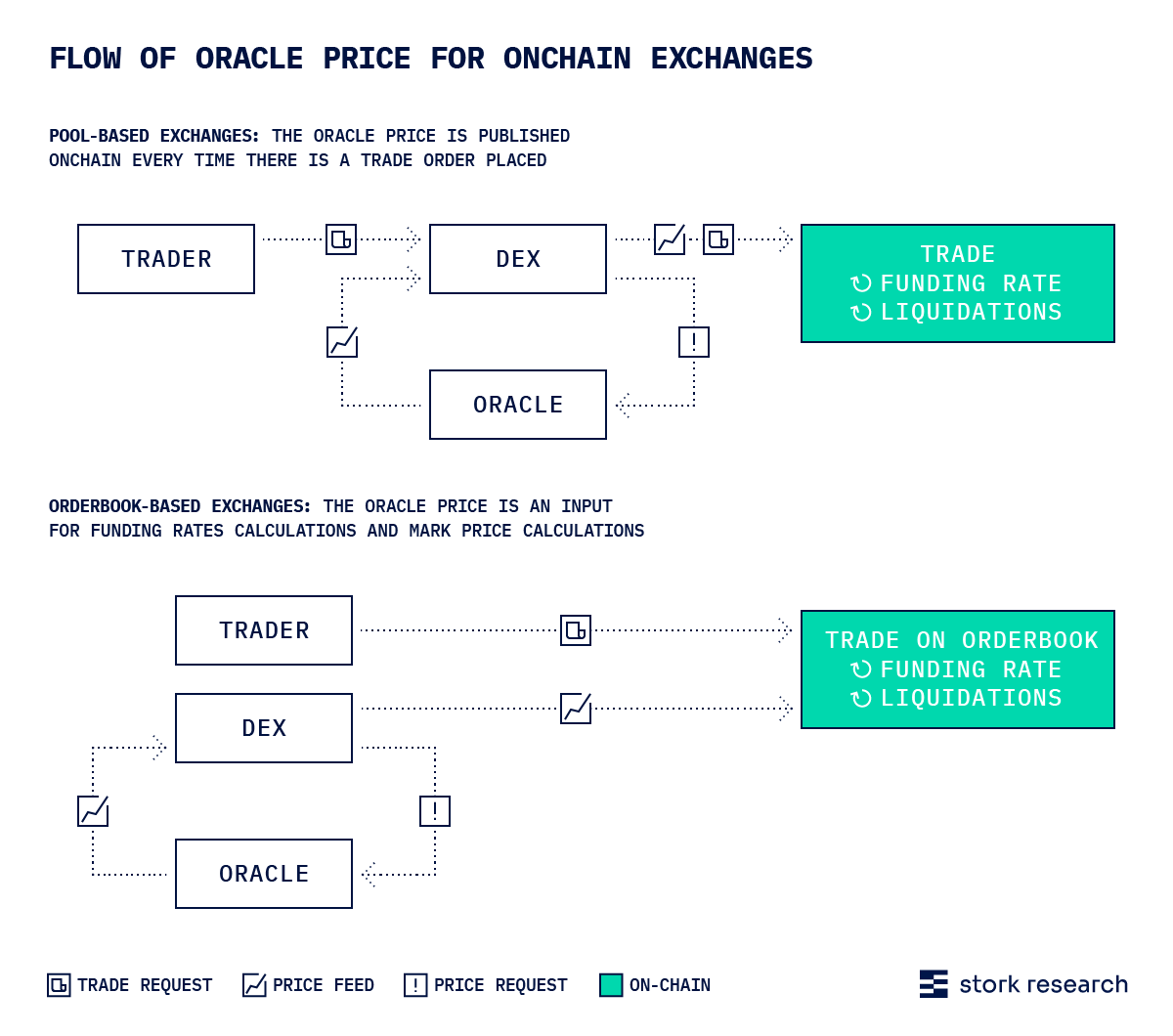
Having outlined the problem, we’ll present some potential components of a solution. Every implementation has different requirements; the concepts below are intended as starting points for solutions, not silver bullets.
RWA perps trade in volume on both onchain and off-chain venues. These solutions focus on onchain venues, also known as decentralized exchanges (DEXs), where the innovation is most notable, and the principled commitment to open access is greatest.
Market infrastructure is converging across digital-native and traditional venues and assets. This convergence has many cross-currents: 24/7 trading of stocks, new forms of derivatives contracts, and the introduction of open-access principles into systems built on strong gates.
The opportunities are acknowledged on all sides. Digital assets remain a small corner of the global financial system; its innovators want access to greater pools of capital. Traditional finance sees a new way of doing business driving exponential growth in areas like RWA perps.
To bring these two streams together in ways that maximize the opportunities on both sides requires careful thought, especially on data and downstream entitlements. If this article has been helpful, please get in touch with the Stork BD team to continue the conversation: stork.network/contact.




_CoverImage_V1.png)